Industrial chemical production leaves little room for compromise when it comes to containment. Material compatibility, transport stability, and regulatory compliance all converge at the packaging level, where performance gaps can quickly become operational risks.
For leaders evaluating ongoing storage and transportation needs, understanding the common chemical applications for stainless steel IBCs clarifies where metal containment delivers measurable value. Stainless steel systems continue to serve as a dependable foundation for moving valuable, high-volume chemicals through complex supply chains.
What Makes Stainless Steel IBCs Ideal for Industrial Chemicals
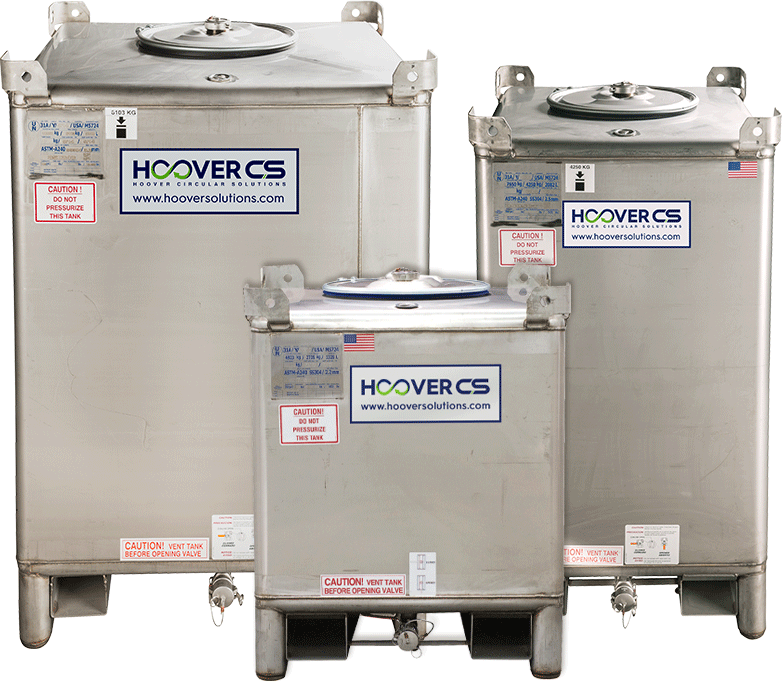
Prioritizing strength and safety, stainless steel IBCs are especially well-suited for industrial chemical operations where heavy payloads, frequent filling cycles, and demanding transport schedules are the norm. Their rigid construction and impact-resistant design maintain structural integrity under stress, during transport, and when stacked. With strong chemical compatibility across a wide range of substances, including acids, solvents, flammables, and more, they provide stable storage throughout fluctuating temperature changes and environmental conditions.
With routine cleaning, maintenance, and inspections, stainless steel containers can be redeployed repeatedly. Long service life and dependable structural performance make them a practical asset for chemical producers operating at scale.
Common Chemical Categories Stored in Stainless Steel IBCs
Industrial chemical manufacturers handle a broad spectrum of materials with varying properties and containment requirements. Below are several categories of chemicals commonly managed in stainless steel IBCs for applications where safety, durability, and compatibility are critical.
Solvents and Flammable Liquids
Organic solvents such as toluene, xylene, methanol, and acetone are widely used in coatings, adhesives, and chemical processing. Many of these materials present flammability risks that require controlled containment.
Stainless steel containers are commonly used for these liquids because they tolerate variations in vapor pressure and are often fitted with pressure-relief and venting systems. They can also be properly grounded to mitigate static electricity buildup (e.g., during solvent transfer), and the metal’s high temperature tolerance reduces the risk of deformation. For industrial operators, this combination supports safer handling of combustible materials across production and distribution environments.
Corrosive Acids and Bases
Corrosive substances such as hydrochloric acid, sulfuric acid, or sodium hydroxide solutions require storage solutions that can withstand potential chemical attack while maintaining structural stability.
Unlike plastic containers that absorb contents and weaken over time, stainless steel provides a non-reactive surface and resists degradation, helping maintain the purity and stability of corrosive substances. If corrosion does occur, it’s detected during routine inspections—and repairs are completed in a timely fashion.
Fuels and Industrial Lubricants
For lubricants, fuels, and oils, stainless steel containers preserve product quality and performance, which is especially important during long-distance transport or repeated handling. Their strong, leak-resistant construction minimizes the chance of spills, which can be costly and hazardous for substances like diesel, gasoline, and jet fuel.
In addition, stainless steel IBCs are capable of zero permeation and evaporation loss. This means no odor or vapors escape during containment, resulting in better safety and cost control—especially for volatile fuels.
High-Purity or Sensitive Chemicals
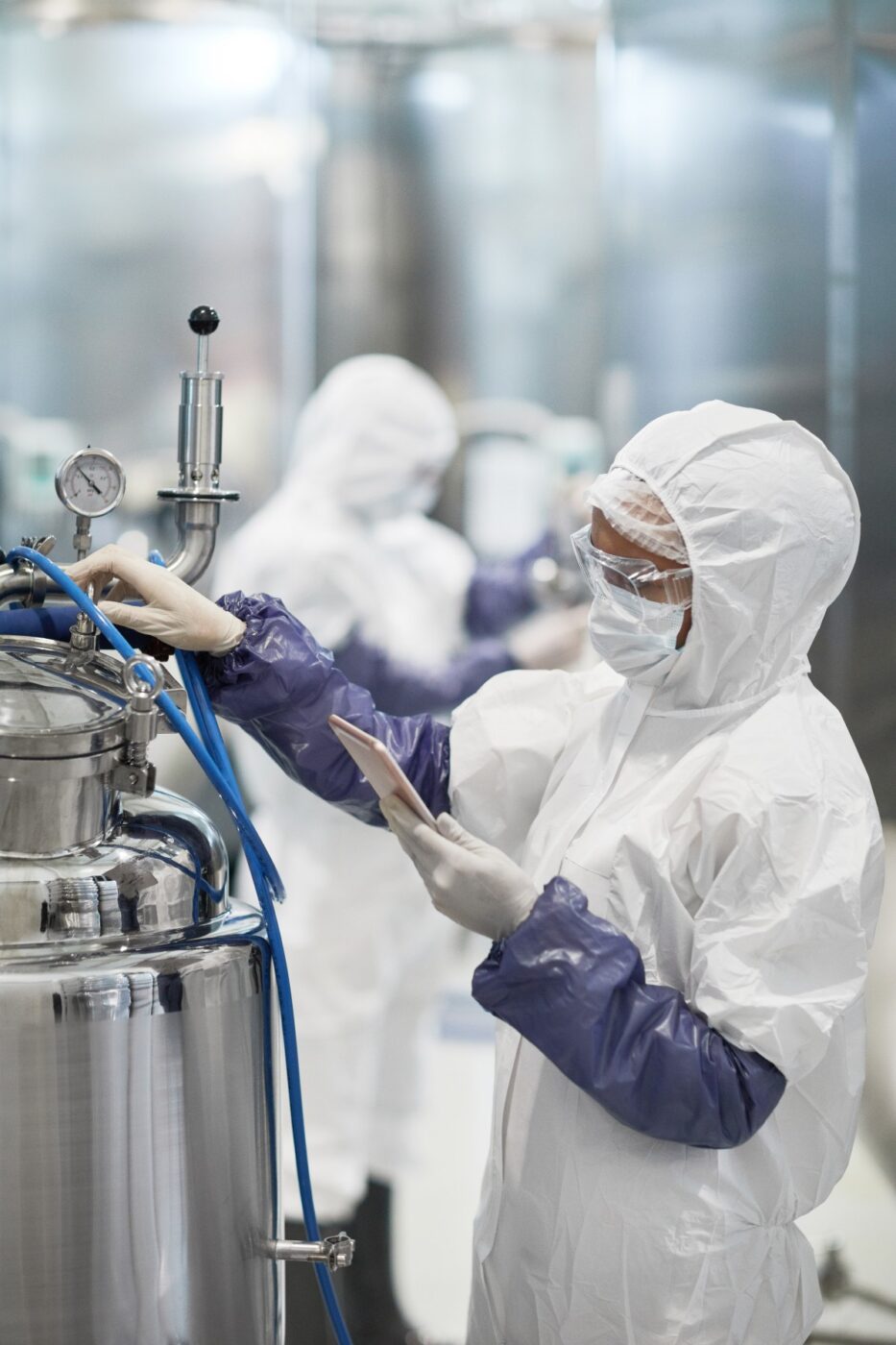
When contamination, environmental exposure, and cleanliness are primary concerns, stainless steel is preferred for its excellent cleanability and sterilization. Electronic-grade chemicals, active pharmaceutical ingredients (APIs) and intermediates, food processing additives, and ultra-pure nitric and sulfuric acids require containment solutions that maintain product purity and stability.
Facilities can clean and maintain stainless steel surfaces to meet defined strict hygiene and cleanliness standards, and their smooth finish reduces the likelihood of residual buildup between uses. When supported by documented cleaning procedures, these IBCs provide a reusable and controlled storage environment for sensitive materials.
Hazardous or Regulated Chemicals
Many industrial chemicals are classified and regulated according to transportation and environmental regulations. Proper containment is central to compliance with hazardous material (hazmat) handling requirements.
Stainless steel IBCs are specifically manufactured to meet UN, DOT, EPA, and other applicable standards, where required. Their stackable design and secure closures support repeated handling during loading, transit, and warehousing. Industrial chemical companies managing regulated products often select stainless steel containers to support established compliance frameworks and inspection programs.
Why Stainless Steel Outperforms Plastic IBCs for These Chemicals
Material selection influences performance across the chemical lifecycle. Many specialty chemicals, solvents, and volatile substances can permeate through the walls of plastic IBCs, leading to product loss, contamination, and irreparable failure. Stainless steel is nonporous and non-absorbing, which helps maintain product purity and supports longer service intervals.
Process conditions also matter. Stainless steel withstands higher temperatures, pressurized transfers, and repeated use cycles, offering enhanced safety and reliability. When evaluating metal IBC totes against plastic alternatives, teams should consider compatibility, safety, and durability to maximize the value and performance of their supply chain packaging.
Key Safety and Handling Advantages for Industrial Chemical Operations
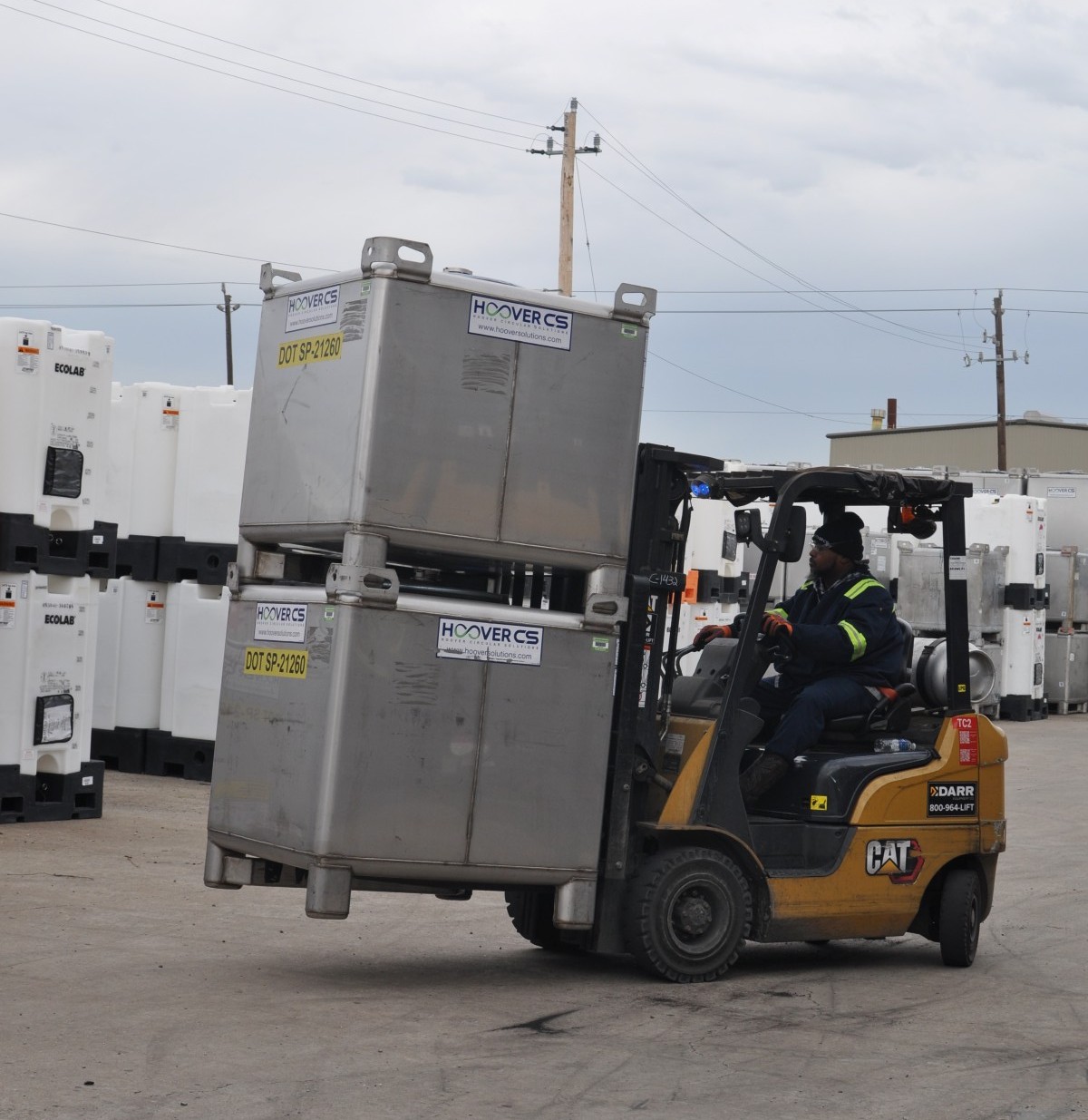
Industrial chemical facilities depend on safe handling procedures and equipment to reduce injury to workers. Stainless steel totes maintain structural integrity and provide fewer risks over time due to their longer service life. They are engineered to resist impacts and offer stable lifting, stacking, and transport.
Operational safety continues during filling and discharge. Standardized fittings, valves, and connections enable controlled, predictable flow rates and reduce the likelihood of unintended releases. When integrated into packaging operations, stainless steel containers reinforce safer handling even in the most demanding environments.
How Stainless Steel IBCs Support Complex Chemical Supply Chains
Industrial chemical supply chains rarely operate from a single location. Production may occur in one region, processing in another, and distribution somewhere else entirely. Reusable stainless steel IBCs fit seamlessly in highly complex supply chains by providing circular solutions for repeated operational use.
When outfitted with advanced asset tracking technology, businesses gain greater insight into container locations, usage, shipping frequency, and service timing. With clearer oversight, operations teams can better understand the movements and performance of their fleet of intermediate bulk containers. Data collected through improved asset visibility can be used to develop actionable strategies that reduce container loss while optimizing overall packaging costs and productivity.
Choosing the Right Stainless Steel IBC for Your Chemical Application
Selecting a stainless steel IBC starts with understanding the chemical itself and how it behaves under real operating conditions. Drain configuration, capacity, and various parts and accessories can change based on how a chemical is handled and transported. Teams should also evaluate technical documentation and drawings along with any site-specific needs before finalizing containers.
Industrial chemical operations move at a pace where containment decisions carry operational and regulatory weight. A clear understanding of the common chemical applications for stainless steel IBCs aligns your packaging strategy with material demand and long-term performance expectations. When in doubt, working with a knowledgeable intermediate bulk container supplier ensures you select the right type of IBC for your chemical’s unique storage, handling, and transportation requirements. With Hoover CS as your dedicated partner, businesses can participate in our stainless steel IBC rental program—with integrated cleaning, maintenance, and inspection services—to further strengthen supply chain operations.
Disclaimer: Please note that compatibility and performance depend on the specific chemical composition, operating conditions, and maintenance practices. Users should evaluate suitability for their particular application.