AI is changing chemical logistics by giving companies a stronger grip on fleet decisions before problems disrupt operations. For businesses managing reusable intermediate bulk containers (IBCs, aka “totes”) and demanding delivery schedules, how the chemical industry leverages AI in tote fleet management is becoming a top operational opportunity.
The value comes from turning scattered, underutilized, and often unexplored fleet data into actionable insights to optimize performance and lower costs. The shift is helping chemical companies run with more confidence in an environment where delays carry real consequences.
The Chemical Industry’s Fleet Management Struggle
Managing chemical tote fleets carries a different level of operational discipline because shipments involve regulated materials, specialized equipment, and streamlined logistics. Delays caused by idle or lost containers directly increase costs throughout the supply chain.
Fleets comprised of reusable packaging, especially stainless-steel and polyethylene IBCs, require coordination for return cycles, servicing, cleaning, recertification, and redeployment, adding another layer of intricacy. For companies struggling to understand their fleet’s performance, moving away from manual, fragmented processes to digitized, data-driven systems is a necessary shift for complete asset visibility and optimization.
What AI Does in Fleet Management
Within fleet management systems, AI serves as a decision-support layer that helps teams interpret large volumes of operational data more quickly and consistently. It can identify patterns, flag compliance issues, and provide key insights to improve asset utilization.
In chemical operations, AI helps turn tracking data and container usage trends into actionable insights. AI does not replace the physical aspect of asset tracking or the team resources needed to oversee the fleet management program itself, but it strengthens the decision-making around reusable containers that must be managed and carefully redistributed.
Real-Time Visibility: An Early Win for Chemical Tote Fleets
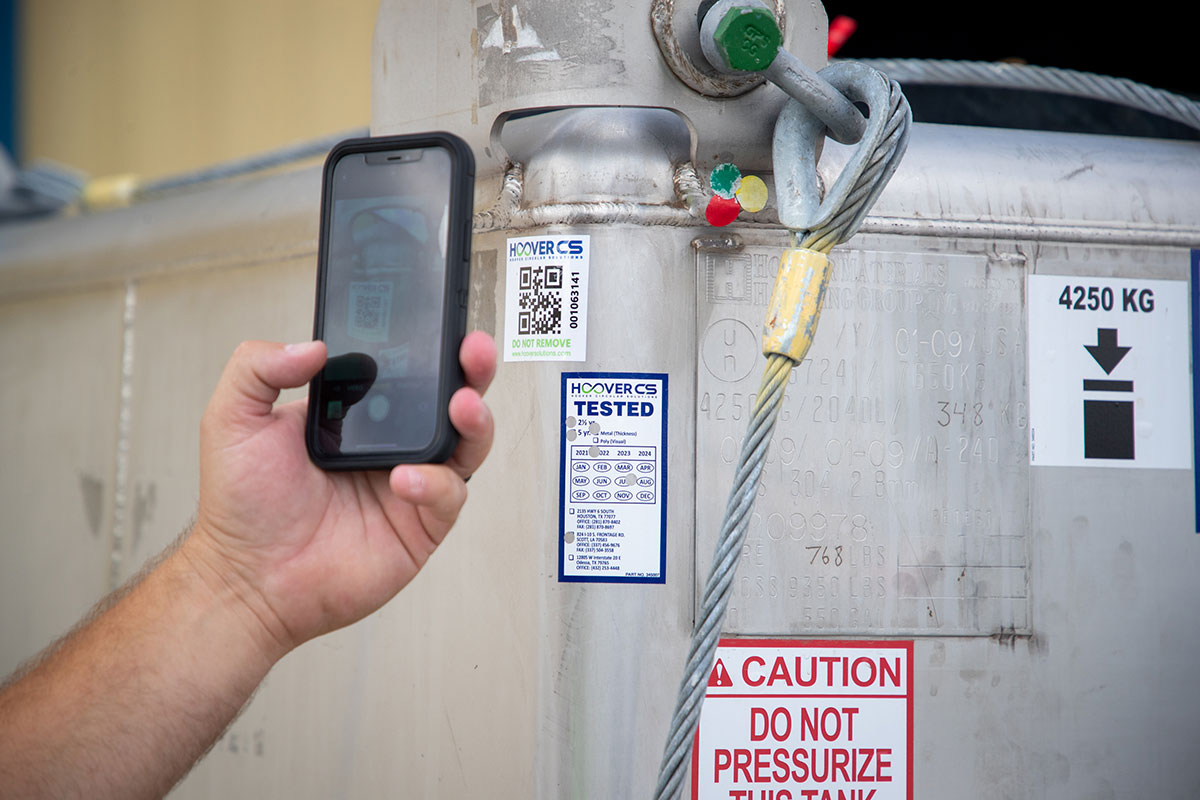
Real-time visibility becomes the earliest and clearest benefit when intelligent monitoring devices, such as temperature and IBC tracking technologies, are introduced into fleet operations. Chemical companies not only need a current view of their inventory at any given time, but they also need to know what’s happening inside their containers. When IoT integrates with AI-powered systems, it improves that visibility by helping teams understand when intervention may be required before service is affected. With better visibility, leaders have a clear foundation for day-to-day control.
Predicting Tote Shortages
Meeting customer demands is heavily dependent on tote availability. When there is a shortage of totes, production is disrupted, logistics costs spike, and customers are upset. Most chemical producers and manufacturers are already forecasting customer demand; however, AI-powered forecasting of tote availability completes the picture and enables the operations team to anticipate and prevent shortages. Greater foresight matters in chemical logistics because unexpected issues can disrupt product movement and reduce confidence in asset deployment planning.
Enhancing Safety and Compliance Through AI Automation
Safety and compliance remain central in chemical storage and transportation, where poor maintenance and noncompliance have direct operational consequences. AI can simplify compliance across large tote fleets by reviewing DOT/UN testing and maintenance records stored in the system. Teams then spend less time manually searching for testing and wash certificates and more time redeploying their assets. Stronger compliance management also helps optimize inventory across the supply chain, which is especially important for companies managing reusable packaging across multiple locations that require regular testing and servicing.
AI Insights for Improved Container Utilization
Underutilized and stalled totes contribute to high costs for chemical companies over time. Containers that move partially full, sit too long between cycles, or are forgotten in yards can weaken overall productivity—even when demand remains strong. AI helps improve utilization rates by identifying which totes have left the beaten path and become stuck, whether at a customer facility, in transport, or even within the chemical company’s own operations. Within a reusable packaging model, those insights can help operators keep their tote fleet moving, so more assets stay in productive circulation, and fewer units remain underused or stranded.
Case-Style Examples
These examples show how AI-integrated fleet management software can solve common problems for chemical companies relying on reusable IBCs within their operations.
- Reducing Container Delays: A chemical distributor identified idle and underutilized assets, reducing their total fleet by ~30% without impacting service levels.
- Lowering Maintenance Costs: A bulk chemical manufacturer recognized safety risks and failures before they occurred, reducing maintenance costs and avoiding unplanned disruptions across their fleet of stainless-steel IBCs.
- Improving Regulatory Compliance: A chemical company reduced their risk of regulatory fines by analyzing test/inspection dates, maintenance history, and cleaning documentation to improve compliance management.
Implementation Considerations for Chemical Companies
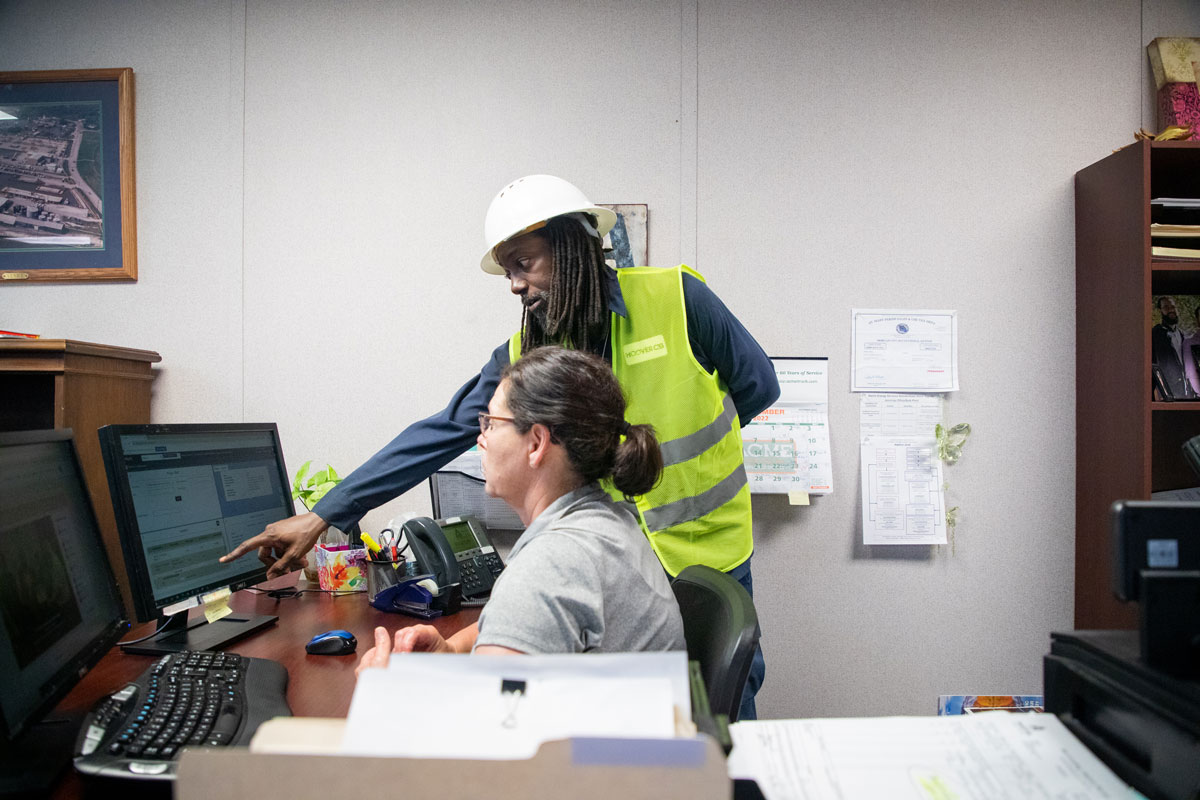
Successful AI adoption depends on the existing fleet management foundation. Chemical companies need reliable asset data and clearly defined KPIs before AI tools can deliver useful guidance. Integration with internal software and unified data sources is equally important to produce trustworthy outputs.
For companies utilizing reusable chemical packaging, implementation becomes more meaningful when AI supports high-level business objectives that lead to operational efficiency and cost improvements.
The Future: How AI Will Continue Transforming Chemical Logistics
AI will continue to expand its role in chemical logistics as companies seek better ways to manage assets. Future applications will likely strengthen forecasting and support more connected decision-making across supply chain packaging. As programs become more data-driven, AI will be positioned less as a specialized tool and more as part of standard operational infrastructure. That shift will matter most when it helps translate complex logistics activity into more cost-effective and consistent execution.
Progress in chemical logistics will depend on how well companies connect intelligence to execution. How the chemical industry leverages AI in tote fleet management will matter most when those insights turn into actionable strategies that improve daily operations.
Partnering with a leading intermediate bulk container supplier and service provider can help maximize the value and performance of large tote fleets. With a deep understanding of the operational demands of chemical supply chains, Hoover CS offers best-in-class technology, customized KPIs, and thought partnership to lower costs while bringing new levels of operational efficiency to your organization.