Metal intermediate bulk containers are critical components of industrial supply chains, providing long-lasting, durable, and reusable solutions for transporting and storing hazardous and non-hazardous materials. Unlike single-use plastic alternatives, metal IBCs offer an extended lifecycle, making them a preferred choice for industries that require reliability and sustainability. Understanding the lifecycle of a metal IBC: from production to reuse helps businesses maximize efficiency, reduce waste, and ensure compliance with safety and environmental standards.
Raw Material Selection and Manufacturing
The lifecycle of a metal IBC begins with the selection of high-quality raw materials. Stainless steel and carbon steel are the primary metals used in IBC production, chosen for their strength, corrosion resistance, and ability to withstand extreme conditions. The metal is sourced from mills that refine and process it into sheets or coils, which will later be shaped into the IBC’s structure. High-grade 304 or 316 stainless steel is preferred for applications involving chemicals, pharmaceuticals, and food-grade substances, ensuring durability and contamination resistance.

Fabrication and Welding of Metal Components
Once the raw materials are prepared, they are cut, shaped, and welded to form the structure of the IBC. This process involves precision engineering to ensure that each container meets industry standards for strength and leak resistance. Advanced welding techniques, such as TIG welding, create seamless joints that prevent weak points in the design. The corners and seams of the metal IBC are reinforced to withstand impacts and maintain structural integrity over multiple uses. After welding, the container is polished or coated to improve resistance to corrosion and environmental exposure.
Installation of Valves and Fittings
Valves and fittings play an essential role in the functionality of metal IBCs, allowing for controlled filling and dispensing of contents. During the manufacturing process, high-grade stainless steel valves and fittings are installed to ensure a secure and leak-proof connection. Some IBCs are equipped with venting systems to regulate pressure changes, preventing unwanted spills or damage during transport. The selection of fittings depends on the intended application, with chemical- and food-grade IBCs often requiring more specialized components.
Quality Control and Compliance Testing
Before a metal IBC leaves the manufacturing facility, it undergoes rigorous quality control measures to ensure compliance with industry regulations. Pressure testing, leak detection, and structural integrity assessments confirm that the IBC can safely hold and transport materials. Regulatory standards such as UN/DOT, OSHA, and ISO requirements dictate the necessary testing procedures. Only containers that pass these inspections are certified for use, ensuring that businesses receive IBCs that meet the highest safety and performance standards.
First Use and Industrial Deployment
After passing all quality control tests, metal IBCs are introduced into the supply chain for their first use. Industries such as chemical, pharmaceuticals, food processing, and petroleum rely on these containers for bulk storage and transport of valuable liquid products. Their robust design allows them to be used in high-risk environments, where exposure to harsh chemicals, temperature variations, and mechanical handling is common. During this initial phase, businesses track IBC usage to determine cleaning schedules and maintenance needs.
Cleaning and Maintenance for Longevity
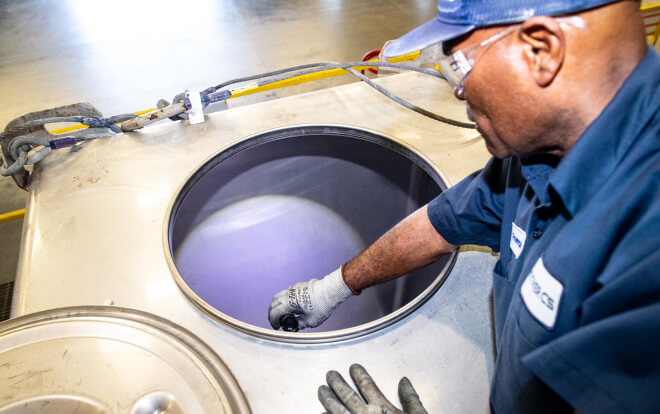
Unlike single-use containers, metal IBCs are designed for repeated use over many years. To maintain their performance, regular cleaning and maintenance are essential. High-pressure washing systems remove residues from previous contents, ensuring that no contamination occurs during reuse of the containers. Chemical cleaning solutions may be used for more stubborn substances, and steam cleaning is often employed in food and pharmaceutical applications. Routine inspections identify any potential issues, such as worn-out gaskets or damaged valves, which can be replaced to extend the container’s service life.
Inspection and Recertification
Regulatory agencies require periodic inspections and recertification of metal IBCs to verify their continued safety and compliance. Testing involves leak detection, pressure resistance assessments, and structural evaluations. Any containers that do not meet certification requirements must be repaired or removed from service. Regular inspections not only ensure compliance but also help businesses maintain efficiency by preventing operational disruptions. Recertification is a crucial step in the lifecycle of a metal IBC, allowing businesses to maximize their investment in reusable stainless steel containers.
Reconditioning and Refurbishment
When an IBC shows signs of wear but remains structurally sound, reconditioning or refurbishment can restore the container to like-new condition. Reconditioning involves deep cleaning, valve and gasket replacement, and repainting or re-polishing surfaces to prevent corrosion. More extensive refurbishment may include welding repairs to reinforce weakened areas or replacing damaged components. These processes extend the usable lifespan of a metal IBC, reducing the need for new containers and promoting sustainability in industrial logistics.
Reuse and Circular Economy Benefits
One of the most significant advantages of metal IBCs is their ability to be reused. With proper maintenance and cleaning, stainless steel IBCs can remain in circulation for decades, reducing the environmental impact associated with single-use plastic containers. Reusing metal IBCs aligns with circular economy principles by minimizing raw material consumption and waste. Businesses that implement reuse programs can lower operational costs while contributing to sustainable supply chain practices.
End-of-Life Assessment and Recycling Considerations
When a metal IBC reaches the end of its functional life, an assessment is conducted to determine whether it can be repaired or needs to be decommissioned. If the container is beyond repair, businesses must decide how to dispose of it responsibly. Unlike plastic IBCs, metal containers retain a high recycling value, making them more sustainable choices. Businesses can work with their IBC rental suppliers or manufacturers to collect and recycle these assets. Recycling ensures that valuable materials are recovered and repurposed, reducing demand for new raw materials and minimizing industrial waste.
Steel Recycling and Material Recovery
Metal IBCs that can no longer be used undergo steel recycling processes, where they are shredded, melted down, and transformed into new products. The stainless steel recovered from used IBCs can be reprocessed into new industrial equipment, automotive parts, or even new IBCs. The high recyclability of metal IBCs makes them preferred choices for businesses looking to reduce their carbon footprints.
Understanding the lifecycle of a metal IBC: from production to reuse highlights the long-term benefits of investing in durable, reusable industrial containers. From material selection and fabrication to cleaning, reconditioning and recycling, metal IBCs provide a cost-effective and sustainable solution for bulk storage and transport. Choosing reusable metal IBCs supports a circular economy, ensuring that industrial packaging remains both practical and environmentally responsible.