Chemical packaging plays a key role in the safe storage and transport of large volumes of hazardous and non-hazardous liquids and materials. From drums to reusable intermediate bulk containers and ISO tanks, understanding your options is essential for selecting the right packaging for your ongoing chemical handling needs. With solutions designed to protect valuable products, ensure safety and comply with regulatory standards, read on to learn about the different types of bulk chemical packaging and their uses across a wide range of industries.
Drums
Drums have long been used for chemical transport due to their wide availability and lower costs; however, they aren’t the most efficient—or safe—option in today’s landscape. Constructed from materials such as steel and plastic, 55-gallon drums are the most common capacities used by the petrochemical, chemical manufacturing, and pharmaceutical industries. Hazardous chemicals, liquids, and solvents are best stored in steel drums, whereas plastic drums are better suited for storing non-corrosive materials. Transporting drums requires the use of pallets with forklift entry for safe maneuvering. This type of packaging does contribute to waste, which is why many businesses have transitioned to intermediate bulk containers.
Intermediate Bulk Containers
Intermediate bulk containers, commonly referred to as IBCs or totes, are one of the most versatile types of packaging. These containers are widely used within chemical manufacturing and distribution to store and transport both non-hazardous and hazardous liquids in bulk. Built from materials such as stainless steel, plastic, or a combination of the two, IBC totes are available in many sizes and configurations to suit the unique needs of your business. Now, let’s review the most common types of IBCs on the market.
Reusable Plastic IBCs
Approved by the FDA for food-grade applications and UN-certified for the transport of hazardous liquids, reusable plastic IBCs are frequently used in the chemical and food markets for their high resistance to chemicals and UV radiation. Constructed from high-density polyethylene (HDPE), the bottle is affixed to a stackable pallet base, with standard features including molded-in volume markers, forklift/pallet jack entry, and embossed gallon and liter markings. Capacities range from 275 to 330 gallons. While not durable for long-term use, plastic IBCs can be reused for up to 5 years when they receive regular cleaning and maintenance.
Composite IBCs
Composite containers are comprised of a high-density polyethylene (HDPE) inner tank housed within a steel cage or aluminum frame, combining the chemical resistance of plastic with the strength and durability of metal. Capable of holding between 275 and 330 gallons, Composite IBCs come equipped with valves, fill ports, and lids. Their stackable and easy-to-transport design makes them a popular choice for industries like chemicals, food, pharmaceuticals, agriculture, and petroleum.
Stainless-Steel IBCs
Metal IBCs constructed from high-quality stainless steel offer enhanced safety, durability, and reusability. Certified for hazardous goods transport, these totes are available in many capacities ranging from 275 to 793 gallons, with side and center drain configurations depending on your needs. With proper care and maintenance, these containers can be reused within your operations for upwards of 25 years or longer, providing a long-term, sustainable chemical packaging solution for many industries and applications.
Specialty IBCs
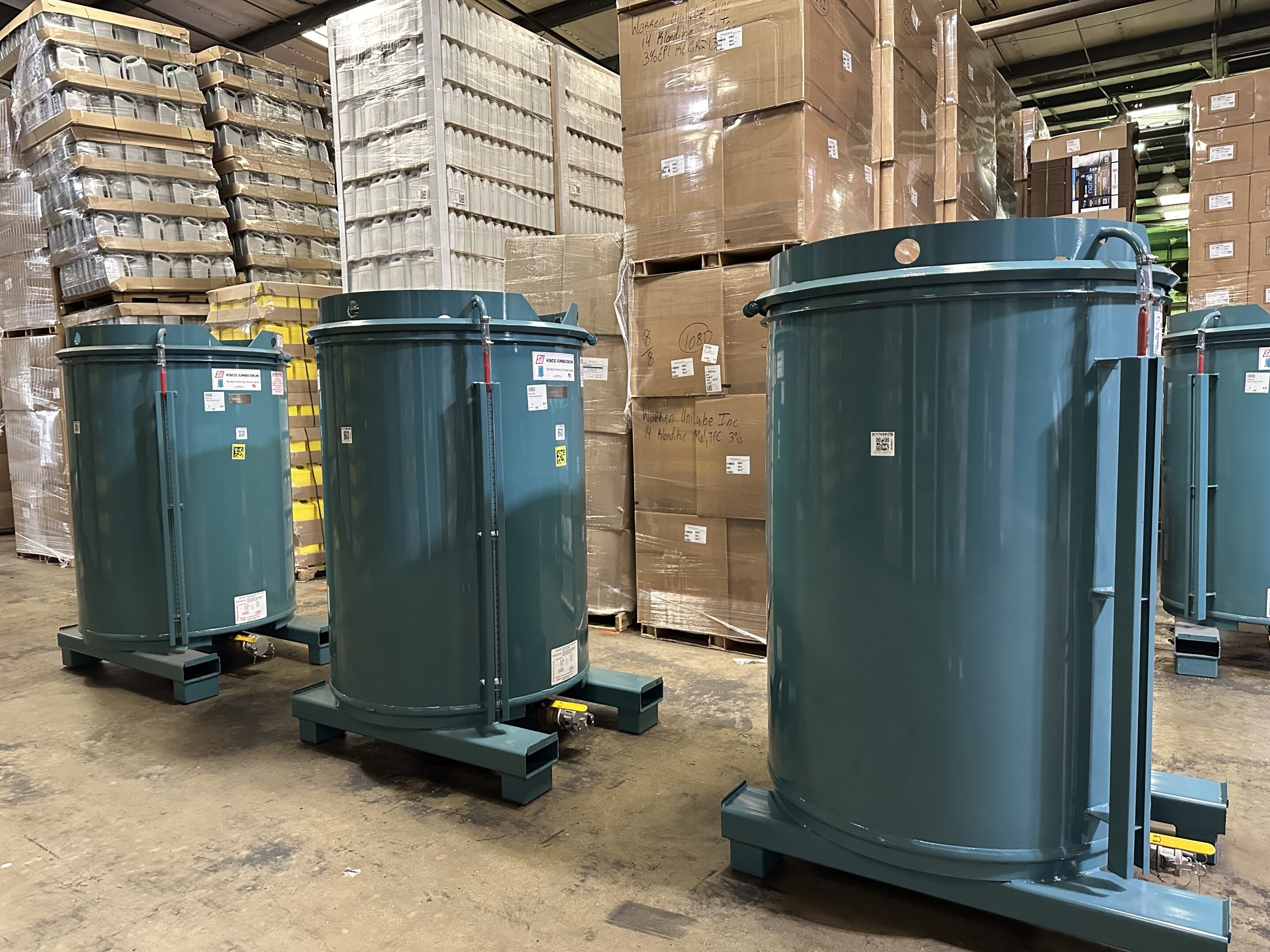
Viscous liquids, such as lubricants, greases and oils, often require specialized IBCs to improve product drainage. For example, carbon steel viscous IBCs feature flexible follower plates that clean interior sides as material is pumped out of the container. For stubborn or slow-draining chemicals, hopper totes offer conical/sloped bottoms to promote better drain flow, helping minimize leftover residue in the container.
Flexible Intermediate Bulk Containers
Known as super sacks or bulk bags, flexible intermediate bulk containers (FIBCs) are made from woven fabrics like polypropylene and are designed to store and transport bulk powders, granules, and other dry chemicals. FIBCs are often used in industries such as agriculture, construction and mining, where materials like fertilizers, cement, and plastic resins need to be transported in bulk. Their easy-to-handle design with integrated lifting loops allows for easy filling and emptying; however, these containers are typically single-use.
Large Bulk Containers
Specifically designed for the transportation of larger volumes of liquids and hazardous chemicals, ISO containers, ISO tanks, and tanker trucks bring enhanced safety and versatility to your operations. Built with steel and other durable materials to withstand harsh weather conditions, their sturdy construction and large capacities make them a cost-effective packaging solution for bulk liquid handling. Let’s discuss a few of the most common types of large bulk containers.
ISO Containers
Available in standardized sizes of 20-foot and 40-foot, ISO containers ensure compatibility across global transport systems, including by sea, rail, and truck. Manufactured according to specifications set by the International Organization for Standardization (ISO), these intermodal containers can transport a variety of products, from dry materials to sensitive chemicals and temperature-controlled goods.
ISO Tanks
ISO tanks feature a cylindrical vessel container mounted in a rectangular steel frame, which is then affixed to a drop deck chassis. Storage capacities of ISO tanks can reach upwards of 26,000 liters, and their durable steel construction ensures they can withstand extreme environments and weather conditions. ISOs can be insulated and heated to ensure temperature-sensitive and flammable liquids are kept safe throughout their journey. These tank containers can also be retrofitted with liners, GPS tracking technology, and safety & optimization modifications, making them an ideal choice for companies transporting industrial or specialty chemicals in bulk.
Tanker Trucks
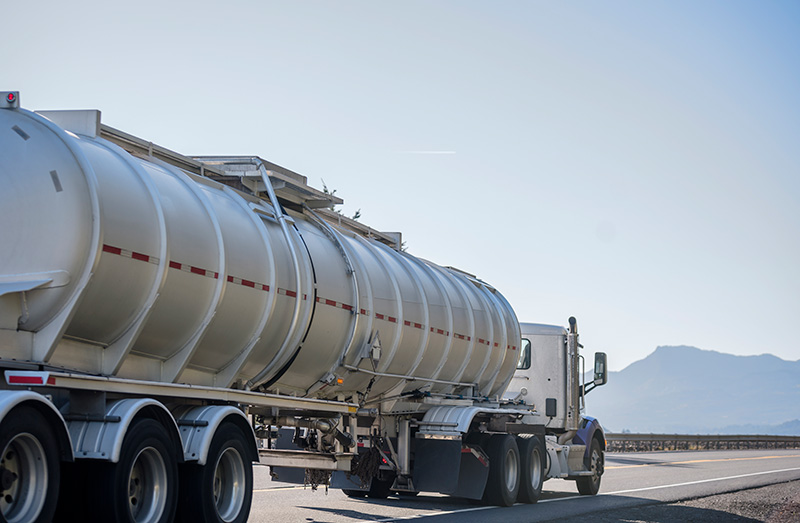
A chemical tanker truck is a specialized vehicle designed to transport hazardous bulk chemicals and corrosive liquids over the road. Frequently utilized in industries like chemical manufacturing, pharmaceuticals and agriculture, tanker trucks are available in small capacities of 1,000 to 3,000 gallons, with larger tankers offering a capacity of 11,600 gallons. Strict safety measures must be followed during filling, transport, and unloading to prevent accidents or spills.
Regulatory Compliant Packaging
When assessing bulk chemical packaging solutions, ensure your chosen containers are compliant with all domestic and internal regulations. For example, stainless-steel IBCs are UN-certified, which means they have been tested and approved by the United Nations to meet global standards for transporting dangerous goods. Additionally, containers should be compliant across several regulatory bodies, such as the Department of Transportation (DOT), the Environmental Protection Agency (EPA), and the Occupational Safety and Health Administration (OSHA). These certifications are essential for industries that handle chemicals classified as dangerous, such as explosives, toxic substances, and flammable liquids. Using approved packaging reduces the risk of spills, leaks, and accidents, ensuring regulatory compliance with enhanced field safety.
Reusable Bulk Chemical Containers
With many single-use and one-way chemical containers available on the market today, it’s imperative to consider the reusability of your chosen bulk chemical packaging. The ability to reuse containers, such as stainless-steel IBCs and ISO tanks, not only reduces waste associated with limited-use packaging like drums and FIBCs, but also promotes sustainability throughout your operations. Opt for metal IBCs over plastic for their durability, enhanced safety features, and long, useful lifespan of 25 years or more with regular tank cleaning and maintenance.
Renting IBC Tanks and Bulk Packaging
For businesses that need flexibility with their chemical packaging, tank rentals offer a cost-effective solution. Renting allows companies to scale their operations without committing to a large upfront investment. For example, a stainless steel ibc offers an excellent reusable solution for transporting corrosive chemicals or food-grade liquids. Stainless steel IBCs are known for their durability and ease of cleaning, making them an ideal choice for companies that require reliable chemical storage and transportation solutions. Renting provides both versatility and savings, making it an attractive option for many different industries.
Choosing the right chemical packaging is essential for ensuring safety, compliance, and efficiency with ongoing transportation and storage. The different types of bulk chemical packaging, from IBCs and drums to ISO tanks and truck tankers, each serve specific purposes depending on the nature of the chemical. Renting offers flexibility, especially for businesses looking for reliable, long-term solutions for handling bulk chemicals.